A Green Surface Does Not Stabilize a Hillside
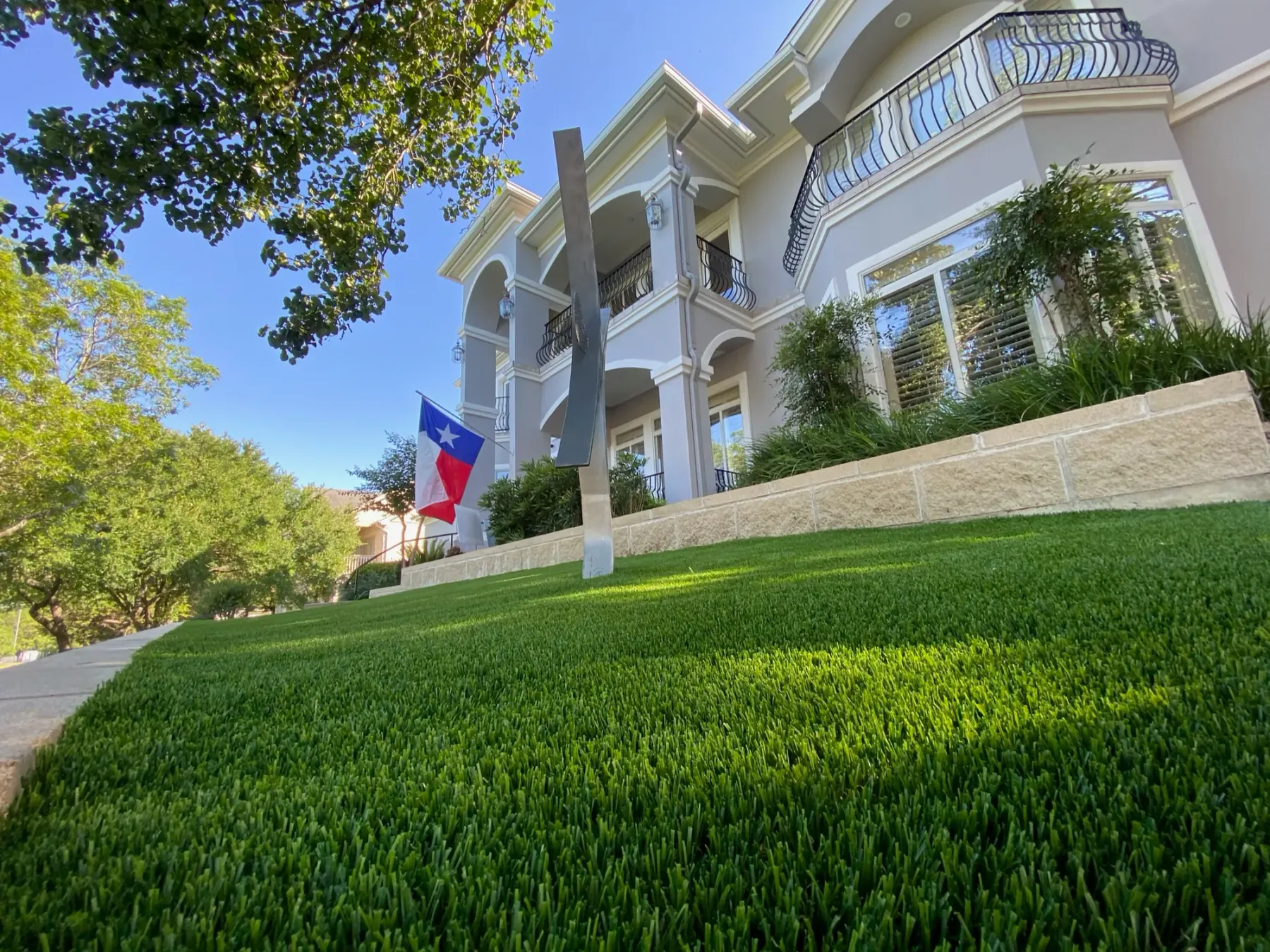
Artificial turf on a slope requires a clear distinction between surface installation and ground stabilization. The turf may provide a finished landscape surface, but it should not be assumed to correct unstable soil, a failing retaining wall or concentrated erosion.
Begin by identifying why the slope is being covered. A decorative bank, a pedestrian route and a drainage swale have different requirements. Some slopes may be better served by another landscape treatment or engineered work before turf is considered.
Evaluate the Ground Before the Attachment Detail
Look for evidence of movement, exposed soil, recurring washout or displacement at adjacent structures. The responsible designer or qualified professional should review conditions outside the turf contractor's scope.
A proposal should state what it assumes about ground stability. If structural retaining work or slope engineering is needed, establish that scope before the turf installation is priced as a complete solution.
Follow Water From Above the Slope
Runoff may enter from the upper yard, a roof outlet, pavement or an adjacent property. Concentrated flow can affect the base, edges and surrounding landscape. A backing's drainage rate does not explain what happens to fast-moving water arriving from uphill.
Identify whether water should be intercepted, routed around the turf or handled by a coordinated drainage system. Do not create an unplanned discharge at the bottom. Our drainage problem guide explains why surface appearance alone is not enough.
Specify the Assembly for the Actual Gradient
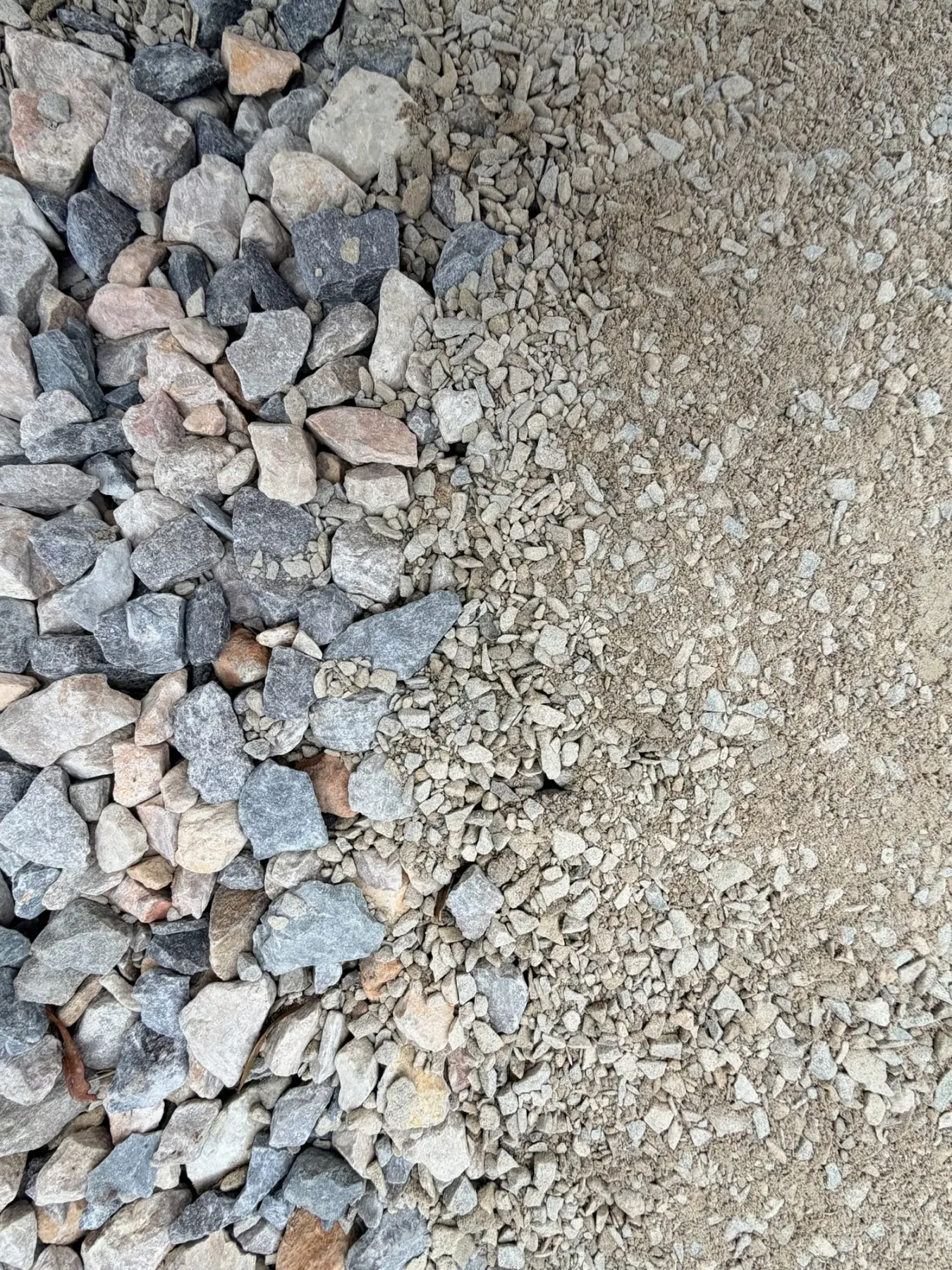
The contractor should review base materials, their placement method and the turf manufacturer's slope-installation guidance. Standard flat-yard assumptions may not apply. Ask how the support will remain in position during construction and normal use.
If the selected system uses infill, discuss its suitability for the slope and potential migration. Product choice, gradient, water movement and maintenance all influence that decision.
Plan Securement Without Guessing
The top, bottom, sides and seams need appropriate details. Additional fasteners do not automatically compensate for unsuitable soil or an incompatible substrate. The attachment approach should suit both the ground and product.
Discuss transitions at retaining walls, curbs and planting beds. Avoid details that interfere with drainage or make later inspection of a wall impossible. Do not use turf installation to conceal unresolved movement.
Decide Whether People Will Walk on It
A slope intended only as a visual landscape element is different from a regular walking surface. Review the route, expected footwear, wet conditions and accessibility requirements with the project team.
Where safe circulation is the main need, steps, paving or a different route may be more appropriate. Artificial grass should not be used to imply a steep route has become suitable simply because it is covered.
Include Access in the Construction Plan
Sloped work can limit equipment positions, material staging and hauling. The contractor may need a different construction sequence from an open level lawn. Identify how crews reach the area without damaging adjoining property.
The site access and logistics guide explains why this can affect the quote even when the surface area is modest.
Agree on Inspection and Maintenance
The owner should know how to inspect edges, observe runoff and report changes after rain. If material begins moving, investigate the cause rather than repeatedly adding more infill or fasteners.
Can artificial turf stop erosion?
It should not be specified as a substitute for an appropriate erosion-control or slope-stability design. Evaluate the underlying problem first.
Is there one maximum slope for all turf?
No universal number should be assumed across products and assemblies. Use the selected system's guidance and site-specific review.
Price the Slope as a Site Condition
Diamond Field Systems can review the turf portion of a Texas slope project and identify coordination needs. Send photographs showing the full slope, upper runoff sources and access when you request a quote.