Replacing Grass Does Not Replace the Soil
Artificial turf over clay soil needs a site-specific approach. Some clay soils change volume as moisture conditions change, while other site problems involve poorly compacted fill, soft ground or concentrated runoff. Those conditions should not all be treated as the same issue.
The relevant question is not whether the finished grass is synthetic. It is whether the ground and supporting assembly can meet the project's intended use. A smooth installation on day one does not establish long-term stability.
Identify Evidence of an Existing Ground Problem
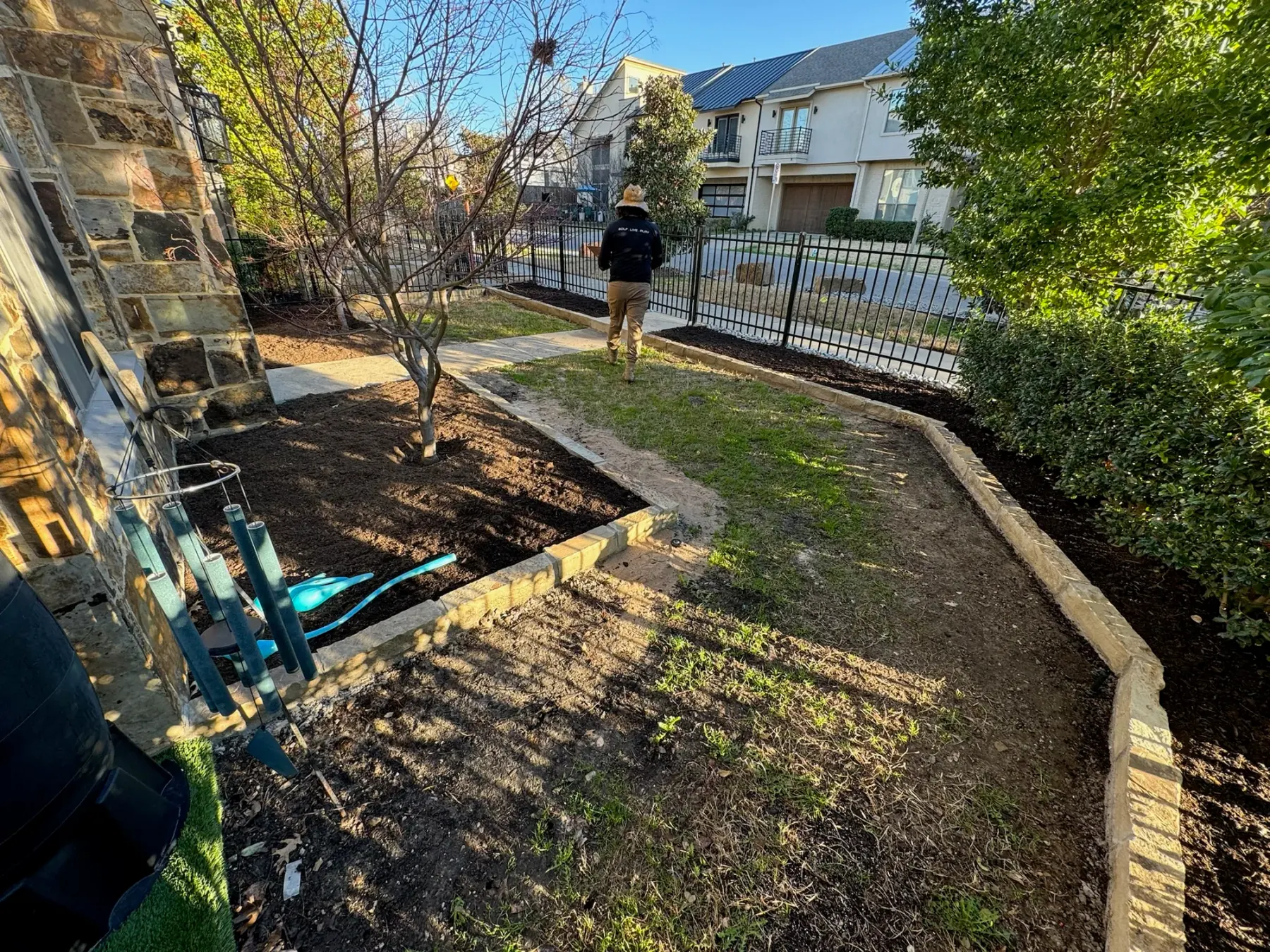
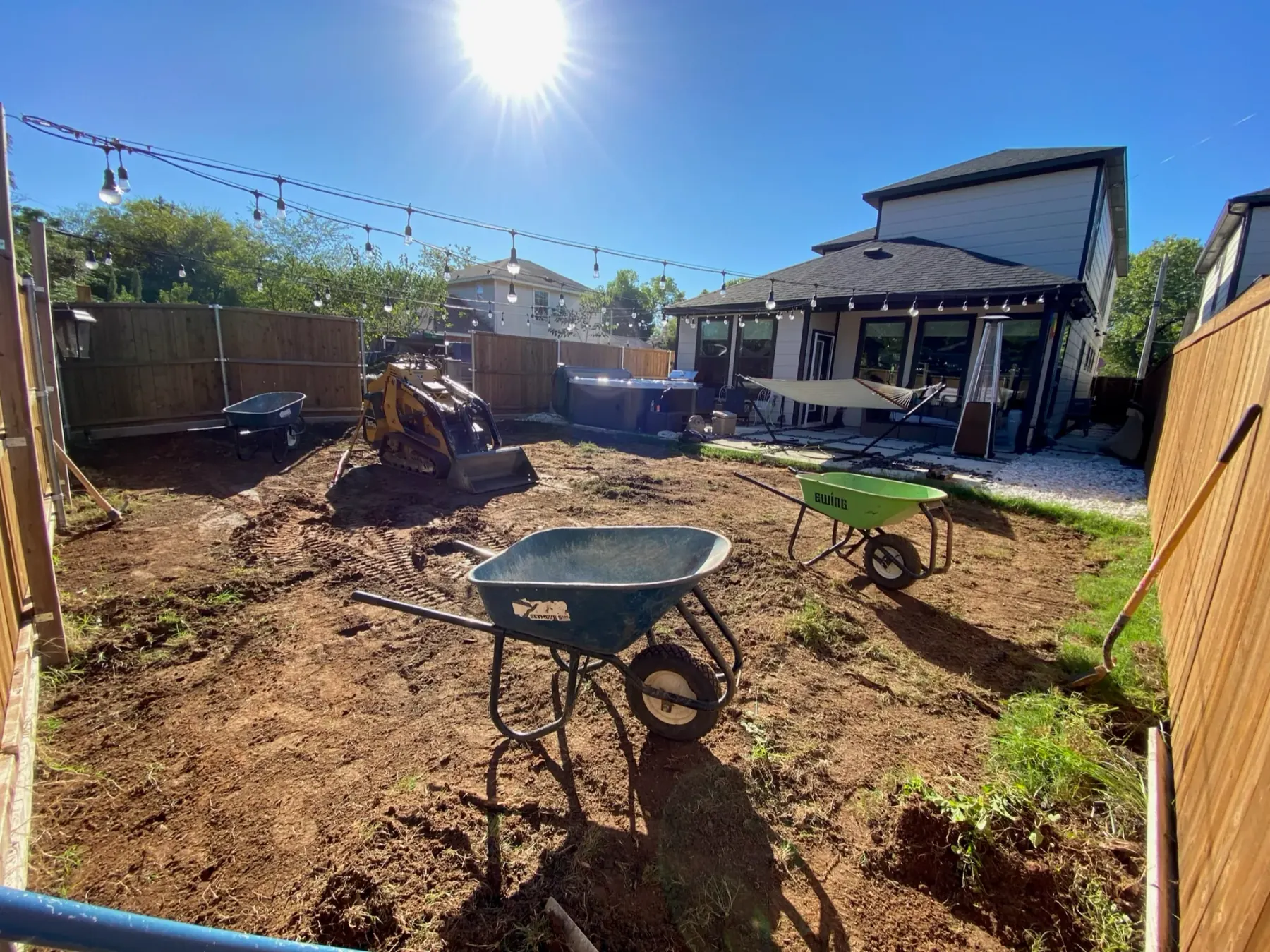
Before excavation, document recurring low spots, seasonal changes, standing water and movement at adjoining paving. Ask the owner whether the yard was recently filled or disturbed by utility work.
For a large field or a site with significant movement, the project team may need geotechnical input. A turf installer can identify constructability concerns, but should not invent an engineering remedy from a photograph.
The site evaluation guide explains the broader investigation before pricing.
Separate Clay Behavior From Poor Fill
A depression over an old trench can have a different cause from broad seasonal soil movement. Imported fill, buried organic material and utility repairs can create localized support issues. Existing drainage may make them more noticeable.
The scope should state what is known about the subgrade and what remains uncertain. Ask how unsuitable material will be handled if uncovered. A defined review and change process is more useful than assuming every yard needs the same excavation depth.
Do Not Treat Aggregate Depth as a Universal Cure
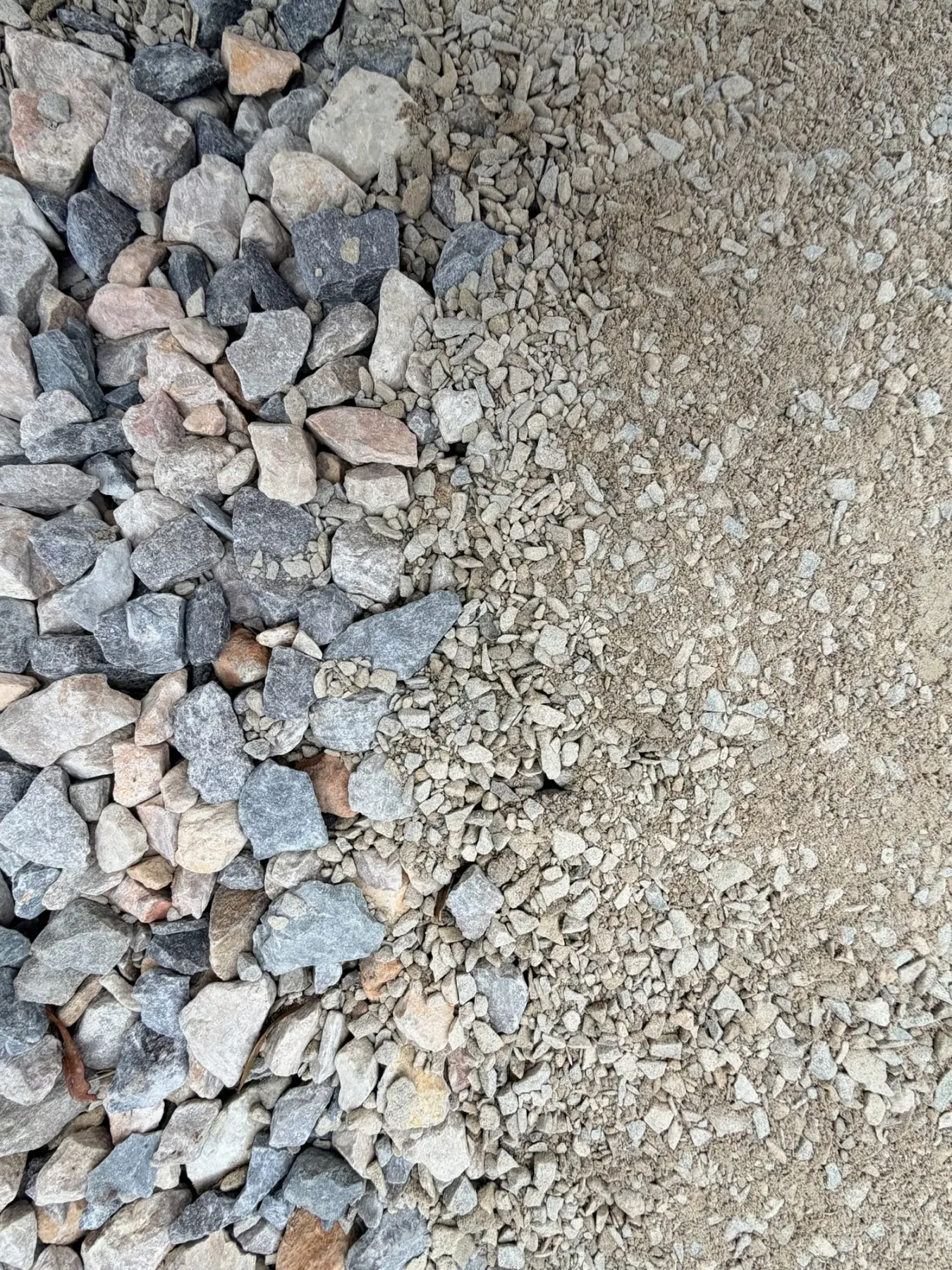
Aggregate provides support and can be part of drainage, but adding more material does not automatically resolve every subgrade problem. The material type, preparation, separation, compaction and water conditions must work together.
Where stabilization or a specialized assembly is recommended, establish who designed it and what conditions it addresses. Do not accept a standard detail as proof that soil movement has been eliminated.
Read what goes under artificial turf for the relationship between the construction layers.
Coordinate Water Around the Entire Footprint
Review water entering from roof outlets, planting beds, irrigation and adjacent hardscape. Also identify the discharge path. A drainage system must be compatible with the site and surrounding improvements.
The turf project should not change water conditions around foundations, retaining walls or neighboring property without appropriate review. Concentrated water at one edge can affect support even if the center of the lawn drains.
Protect Utility and Structure Interfaces
Utility trenches, sleeves, fence foundations and paving edges often create changes in support. Identify them before installation. Coordinate trench backfill and any repairs by other trades before final base work.
At a sports field, late utility work can disturb a completed assembly. At a home, a narrow strip beside a patio may be where movement first becomes visible. Those details deserve explicit scope.
Establish Acceptance and Follow-Up
The owner should understand what is inspected before turf is placed and what records are provided. Relevant documentation may include subgrade observations, specified compaction verification and drainage details, depending on project requirements.
After installation, report new depressions or edge changes promptly. Do not assume every surface change is a turf-product defect. Use seam and patch repair planning to distinguish surface work from underlying correction.
Does clay soil mean artificial turf cannot be installed?
No. It means the actual soil and moisture conditions must inform the construction plan.
Will weed fabric prevent soil movement?
No. A separation or weed-control material should not be described as a substitute for ground stabilization.
Is the same base suitable across Texas?
Site conditions vary. A detail suitable for one property may not fit another.
Start With Ground Conditions
Diamond Field Systems works on sports field construction and landscape turf projects across Texas. Share known movement, prior fill and drainage concerns when you request a quote.