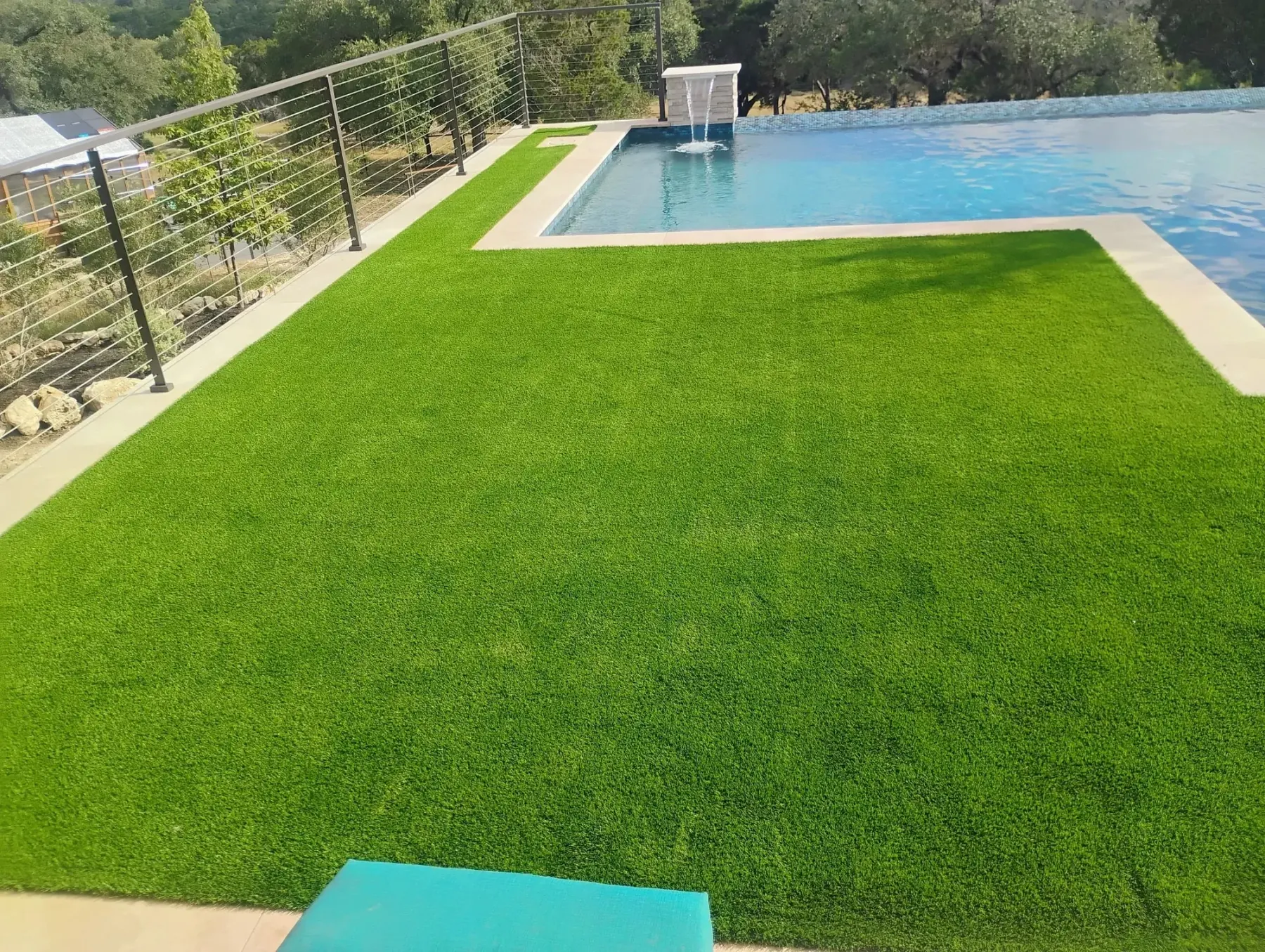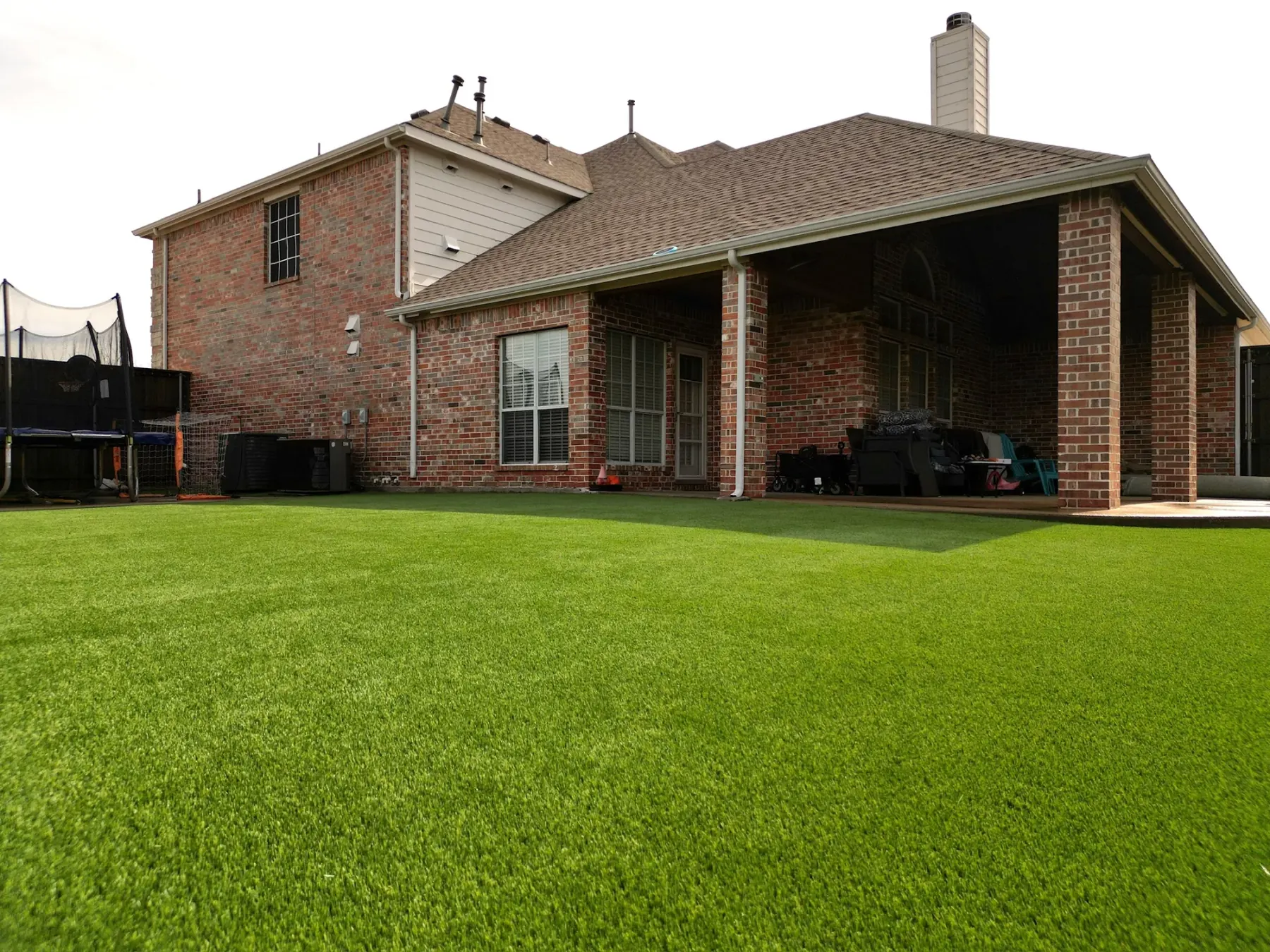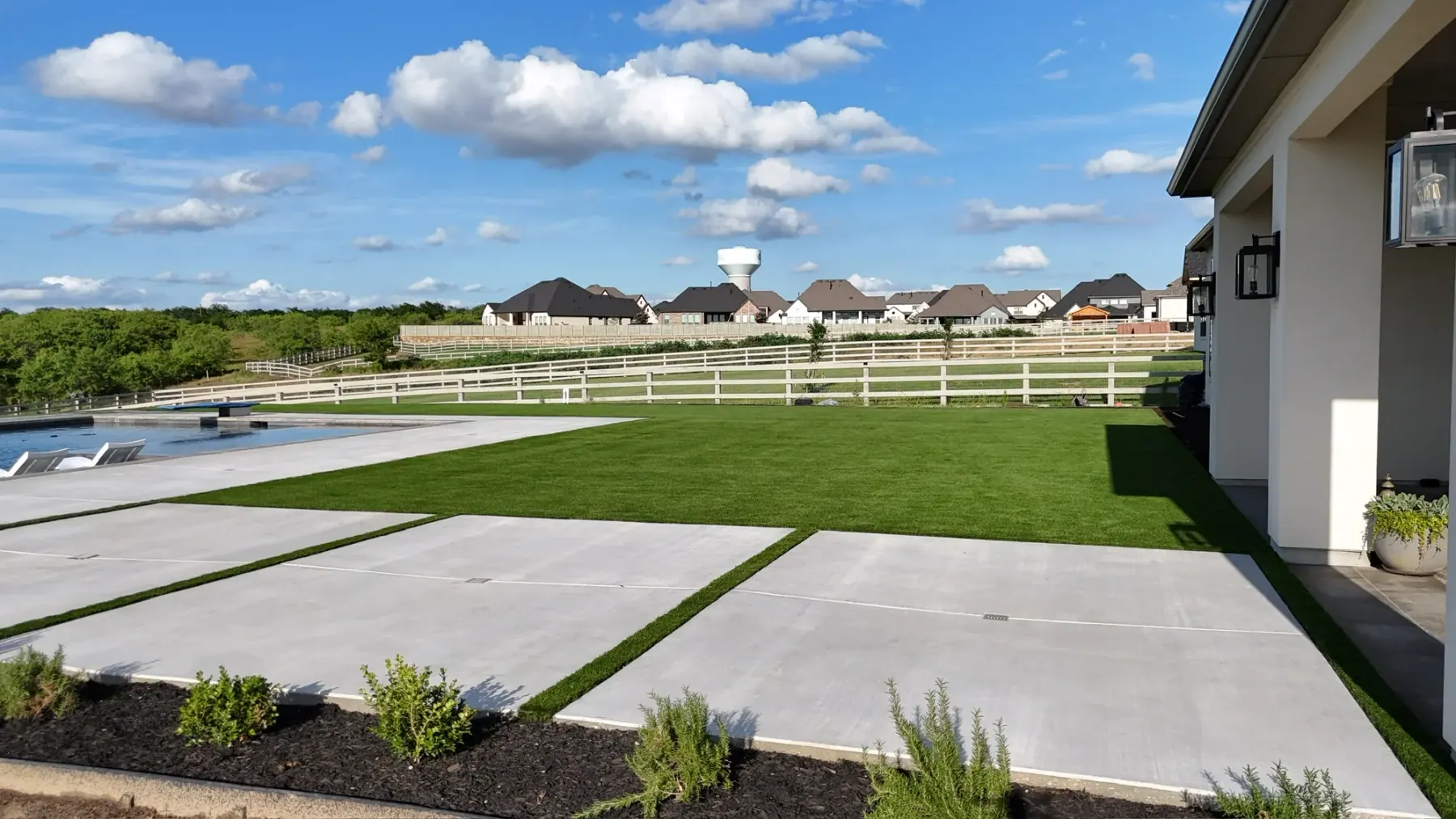
Two turf installations can look equally good on the day they are finished. The difference often shows up later: a low spot that holds water, a seam that starts to separate, an edge that lifts near the gate, or a walkway that mats down faster than the rest of the yard.
The grass product matters. So does everything that supports it. A durable artificial turf installation depends on the site, the construction beneath the surface, the way the turf is joined and secured, and how the space is used after installation.
For Texas property owners comparing turf proposals, the useful question is more specific than “Which grass lasts longest?” Ask what the installer is doing to help the entire system keep performing.
Start with the ground the turf will cover
A yard does not become stable simply because artificial grass is placed over it. Soft areas, buried debris, roots, existing drainage problems and changes in soil conditions need to be considered before the surface goes down.
Good preparation starts with evaluating the existing site and removing unsuitable material within the planned construction area. The excavation depth and base design should reflect the ground conditions, required finished elevation and intended use. A narrow side yard used by dogs presents different demands from a pool surround or a commercial lawn.
A proposal that names the turf product but says little about preparation leaves a large part of the project unexplained. Ask what is being removed, how soft areas will be addressed and how the finished surface will meet patios, walks and drains.
A stable base protects the finished surface
Artificial turf follows the shape of the base beneath it. If that base settles unevenly, the surface can develop depressions even when the grass itself is still in good condition.
Aggregate selection, layer thickness, moisture conditioning and compaction all need to suit the project. The goal is a foundation that supports the planned use while working with the drainage design. Simply adding more rock does not establish that either requirement has been met.
Pay particular attention to transitions and hard-to-reach areas. The strip beside a fence or the turn at a gate can become a frequent travel path. Those locations deserve the same construction planning as the open center of the yard.
Our guide to what goes under artificial turf explains the layers beneath the surface in more detail.
Water needs a complete route out
A turf backing that allows water through is only one part of drainage. Water must also move through or across the supporting system and reach an appropriate outlet.
Before installation, the plan should account for runoff from nearby paving, roof discharge, existing low areas and the elevations around the house. Replacing grass with turf does not automatically correct an existing drainage problem.
The question to ask is straightforward: Where will water go after it passes through the turf? The answer should fit the actual property. A generic statement that “the turf drains” does not explain the performance of the completed yard.
For a closer look at this issue, read artificial turf drainage for residential yards.
Seams and edges are working parts of the installation
Seams join individual turf panels into one surface. Their location, alignment and joining method affect both appearance and durability. Product-compatible materials and the correct installation conditions matter; a well-hidden seam still needs a sound connection.
Panel layout also deserves attention before cutting begins. Blade direction should be coordinated, and seam locations should be considered alongside the shape of the yard and its use. Saving material is only one factor in a good layout.
The perimeter needs an equally deliberate plan. Edges meet concrete, planting beds, fences and other surfaces, each with different attachment requirements. A busy gate, a dog run or an area where furniture is regularly moved may place repeated stress on a small section of the installation.
Ask how each boundary will be secured and how the transition will remain tidy and usable. There is no single fastening detail that fits every edge condition.
Match the turf and infill to the way the yard will be used
A soft sample in a showroom does not tell the whole story of how a surface will perform. A lawn used mainly for appearance, an active family yard and a dedicated pet area have different needs.
Product selection should consider traffic, blade characteristics, backing, drainage and maintenance requirements together. Pile height or face weight alone does not establish which product is best for a particular project.
Where the selected system requires infill, the type and application rate should follow the manufacturer's specifications. Infill can help support the fibers and stabilize the surface, but it needs to be selected and installed as part of that specific system.
Read more about artificial turf infill selection before comparing products by a single specification.
Plan for concentrated wear and exposure
Most yards do not wear evenly. The route from the back door to the pool, the turn beside a gate and a dog's preferred run can receive far more traffic than the rest of the lawn.
Discuss those patterns before installation. They may influence product selection, layout, the use of adjacent hardscape and the maintenance plan.
Exposure also matters. Review nearby reflective windows and other potential sources of concentrated heat. Keep grills and hot equipment away from turf in accordance with product guidance. These are site and use considerations that a warranty period alone cannot resolve.
For properties with reflective glazing, see artificial turf and window reflection.
Maintenance helps preserve what was built
Artificial turf reduces some lawn chores, but it still needs care. Leaves and debris need removal, pet waste needs prompt attention, and high-traffic areas may need brushing or grooming using manufacturer-approved equipment.
The maintenance plan should match the surface and its use. Pet areas may require a different cleaning routine from an ornamental lawn. Small issues such as a disturbed edge or an opening seam should be reviewed before they become larger repairs.
At handover, ask for the product information, care instructions and a clear explanation of whom to contact about concerns. Confirm the difference between material and workmanship warranty coverage, including exclusions and maintenance obligations.
What to ask before choosing an installer
Use the written scope to compare the construction behind each proposal:
- What site conditions have been identified, and how will they be addressed?
- What excavation and base work are included?
- How will water leave the completed installation?
- How will seams and perimeter transitions be constructed?
- Why does the proposed turf and infill suit this yard's traffic and use?
- What care instructions and workmanship coverage will be provided?
A lower price may reflect a different product, a different construction scope, or both. Understanding that scope is more useful than comparing the grass samples alone.
Build for the yard you actually have
The installation that holds up well is the one planned around the property and the people using it. Stable support, a workable drainage route, carefully finished connections and appropriate ongoing care all contribute to the result.
Diamond Field Systems provides landscape and pet turf services for Texas properties. If you are planning a project, request a quote and share the location, current surface and how you intend to use the space. Those details help define the work your installation needs.